

A comfortable shoe at nine in the morning is not always a comfortable shoe at six in the evening. Feet swell, small pressure points become sore, and a sole that felt fine on carpet feels thin on pavement. This guide explains what to look for so that the shoes you buy still feel good at the end of a long day. It applies to sneakers, clogs, loafers, flats and sandals alike.
Key insights
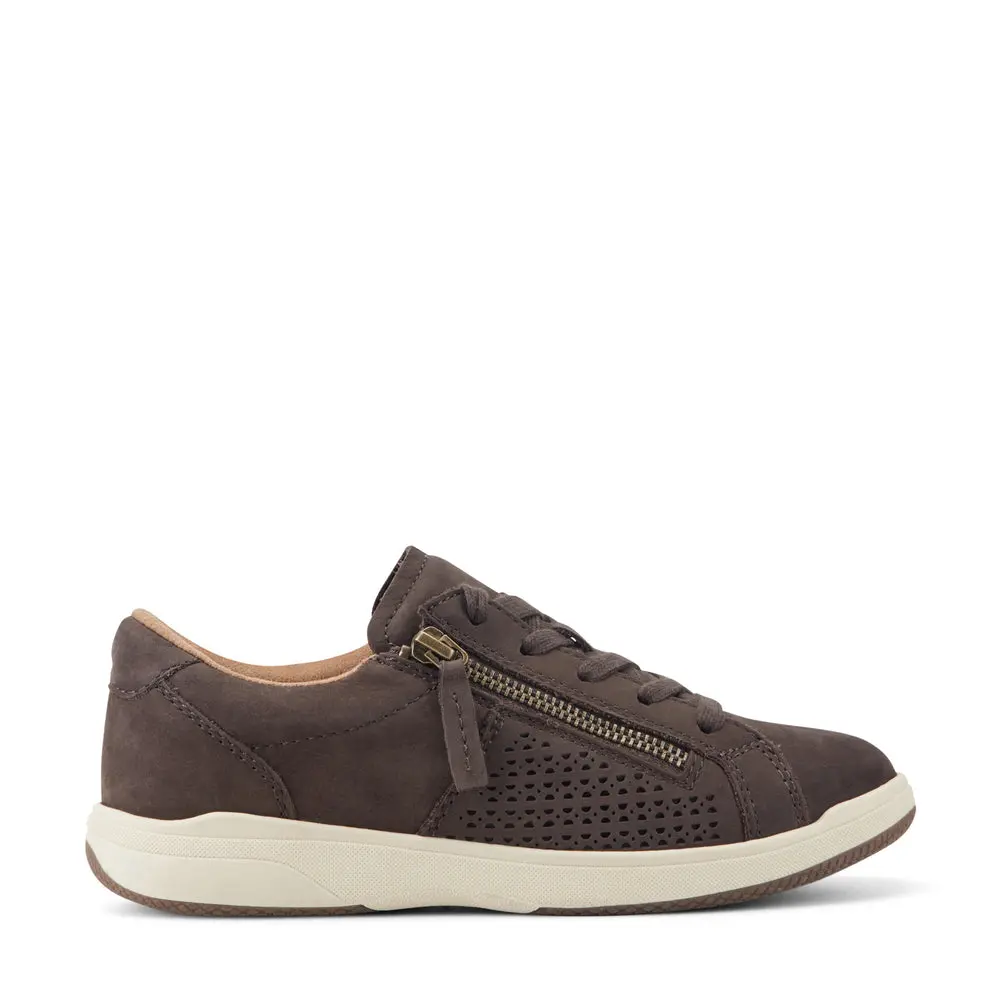
- earth® Netta sneaker: Multi-layer cushioning with touch point pods
- earth® Kolia clog: Cork-blended comfort footbed
- earth® Skylar sandal: Foam and molded EVA arch-support footbed
Think about your day before the shoe
Write down how you actually spend a typical day: hours standing, distance walked, time sitting, and the surfaces underfoot. A teacher who stands in one room has different needs from a commuter who walks two miles on concrete.
Standing jobs reward a supportive footbed and a stable base. Walking rewards a secure fit and a flexible sole. Mostly sitting means style can lead, as long as the shoe does not pinch. Most people need two or three pairs to cover a normal week, rather than one shoe asked to do everything.
What makes a footbed comfortable
The footbed is the layer your foot rests on, and it does most of the work. Cushioned foam feels soft and absorbs impact. Cork is firmer, light and slowly molds to your foot. Molded EVA is springy and very light. Many comfort brands, earth® among them, layer these materials to combine support and cushioning.
A good footbed is shaped rather than flat, with a slight cup at the heel and a rise under the arch. Press it with your thumb: it should give a little, then push back. A footbed that collapses completely under light pressure will feel soft in the store and flat by the afternoon.
Arch support and why it matters
An arch-supportive footbed spreads your weight across the whole sole rather than loading the heel and ball. For many people that is the difference between tired feet and sore feet by evening.
Support should feel present but not like a lump. If you have flat feet, very high arches or a diagnosed foot condition, a podiatrist can advise on the support you need, and some people add custom insoles to shoes with removable footbeds.
Where to start
| Role | Model | Price | Why | Buy |
|---|---|---|---|---|
| Best for most people | earth® Netta sneaker | $99 | Our first pick for long, varied days, with laces, a side zipper and multi-layer cushioning. | Check price |
| Best clog | earth® Kolia clog | $119 | A cork-blended footbed in an easy slip-on for days of standing and short walks. | Check price |
| Best sandal and budget pick | earth® Skylar sandal | $79 | Two adjustable straps and a molded EVA footbed for warm-weather walking. | Check price |
Closures and heel hold
The more a shoe can be adjusted, the better it copes with feet that change size during the day. Laces, buckles and hook-and-loop straps let you loosen or tighten as you go. Slip-ons, clogs and ballet flats rely entirely on the cut, so the fit at purchase matters more.
A heel that slides causes blisters and makes your toes grip to keep the shoe on, which tires the foot. Some heel lift in new leather is normal, but the heel should not come free when you walk.
Sandals follow the same rule. A sandal with adjustable straps at the forefoot and ankle, like the Skylar, stays with the foot as you walk, while a loose slide makes the toes clench with every step. That clenching is a common reason feet ache after a summer day out.
Width, length and trying shoes on
Shop or try shoes on in the late afternoon, when feet are largest, and wear the socks you plan to use. Leave roughly a thumb's width between your longest toe and the end of the shoe. The widest part of your foot should sit at the widest part of the shoe.
If a shoe pinches across the ball of the foot, look for a wide width before sizing up. A longer shoe only moves the pinch and adds heel slip. Brands that sell medium and wide, as earth® does in many styles, make this easier.
Rotate and care for your shoes
Wearing the same pair every day gives the footbed no time to recover and dry out. Rotating two pairs keeps the cushioning springier for longer and gives leather time to release moisture. Replace shoes when the footbed stays flattened or the outsole wears unevenly, since worn shoes lose the support that made them comfortable. Clean leather with a damp cloth, brush suede dry, and let wet shoes dry at room temperature away from heaters.
FAQ
Are flat shoes or shoes with a slight heel more comfortable?
Many people find a small heel rise more comfortable than a completely flat sole, because it eases tension in the calf. Very high heels shift weight onto the ball of the foot. A cushioned footbed with a modest rise is a sensible middle ground for all-day wear.
How do I know if a shoe is too small?
Signs include toes touching the front when you stand, pressure on the sides of the foot, and red marks after a short wear. A shoe that is too small rarely improves with breaking in, especially in length, so return it rather than hoping it stretches.
Do comfort shoes need breaking in?
Shoes with soft uppers and cushioned footbeds usually need little or none. Firmer leather loafers and clogs can take a few wears to soften at the flex points. Wear new shoes at home for short periods first, so you can still return them if they rub.