

Most people's first serum is one of three actives: retinol, vitamin C or hyaluronic acid. They are not rivals so much as tools for different jobs, and starting with the wrong one is the usual reason a first serum disappoints. Here is how to match the active to your skin and your goal, then grow the routine from there.
Key insights
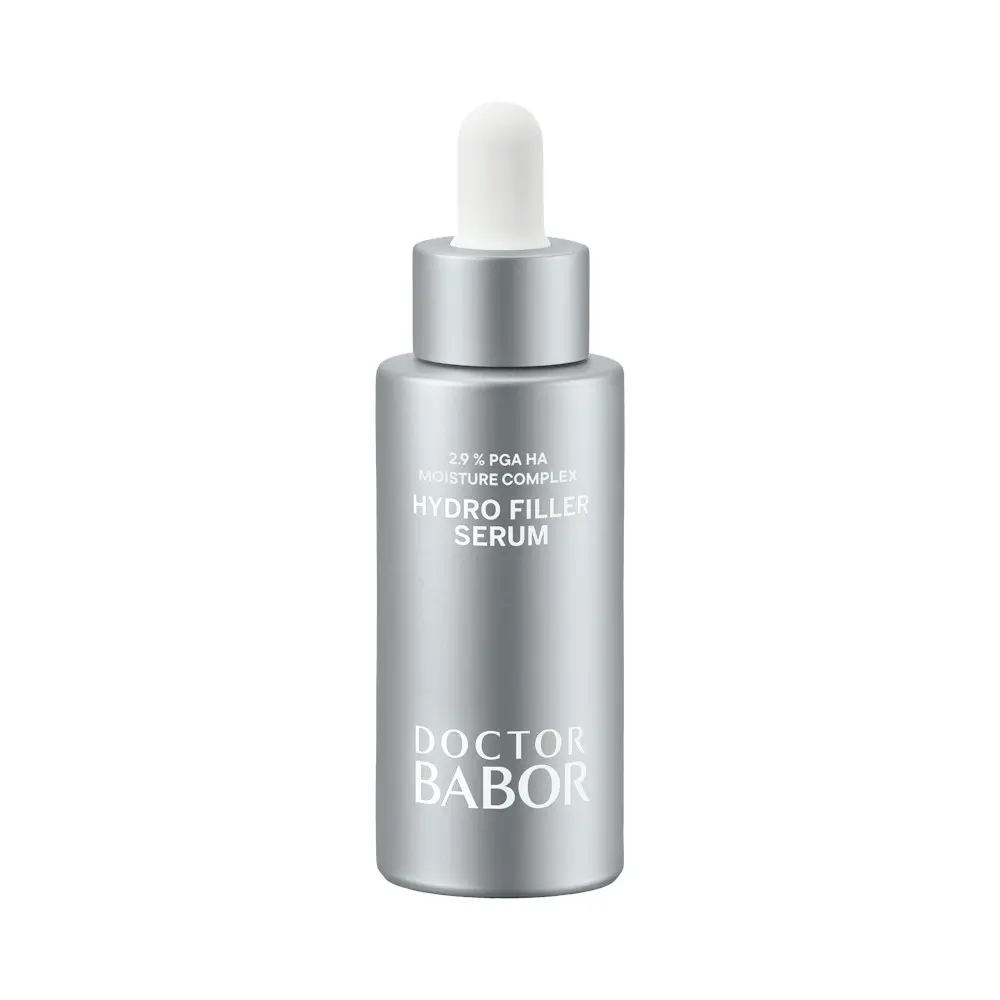
- BABOR Hydro Filler Serum: Multi-molecular hyaluronic acids plus polyglutamic acid
- SkinCeuticals Daytime Vitamin C Serum for Sensitive Skin: 10% pure vitamin C (L-ascorbic acid)
- BABOR Power Serum Ampoule: Retinol: 1% encapsulated retinol
Three actives, three different jobs
- Hyaluronic acid binds water. It makes skin feel plumper and more comfortable, and it suits almost everyone.
- Vitamin C is an antioxidant. It is used in the morning to help defend against environmental stress and is linked with a brighter, more even look.
- Retinol is a form of vitamin A used at night. Brands use it to target lines, texture and pores, and it takes the longest to get used to.
Notice that only one of these is about comfort, one is about protection and one is about change over time. The right first pick depends on which of those three you need most.
Start with hyaluronic acid if your skin feels tight
If your face feels tight after cleansing, makeup sits badly by afternoon, or fine lines show up mainly when your skin is dry, hydration is the gap. A hyaluronic acid serum is the gentlest first step, with almost no learning curve.
It is also the best first serum for very reactive skin, because a well-made hydrating serum gives the skin a calmer base before you add anything stronger. BABOR Hydro Filler Serum is our pick here, with several hyaluronic acids and polyglutamic acid in a fragrance-free formula.
Start with vitamin C if you want one morning step
Vitamin C makes sense if your skin is comfortable already and you want to add protection and brightness without changing your evenings. It goes on after cleansing in the morning and before sunscreen.
Pure vitamin C (L-ascorbic acid) is the most studied form but can sting at high strengths. A moderate dose is the smart way in. SkinCeuticals Daytime Vitamin C Serum for Sensitive Skin is built for exactly that, at 10% with ferulic acid. Elizabeth Arden's capsules and Oak Essentials' Daily Vitamin C Serum are other vitamin C routes, and both brands mention brightening.
Where to start
| Role | Model | Price | Why | Buy |
|---|---|---|---|---|
| Best for dry, dehydrated skin | BABOR Hydro Filler Serum | $105 | Hyaluronic acid pick: several moisture binders in a vegan, fragrance-free formula. | Check price |
| Best first serum for most skin | SkinCeuticals Daytime Vitamin C Serum for Sensitive Skin | $85 | Vitamin C pick: 10% L-ascorbic acid with ferulic acid, made for sensitive skin. | Check price |
| Best budget retinol | BABOR Power Serum Ampoule: Retinol | $36 | Retinol pick: 1% encapsulated retinol with a tripeptide and hyaluronic acid. | Check price |
Start with retinol if lines and texture are the goal
Retinol is the active most people mean when they talk about visible results on lines, rough texture and enlarged-looking pores. It is also the one that most often causes a rough patch at the start: dryness, flaking or redness for the first few weeks.
Begin two or three nights a week, apply to dry skin, and follow with moisturizer. Wear sunscreen every morning, since retinol leaves skin more sensitive to sun. BABOR Power Serum Ampoule: Retinol pairs 1% encapsulated retinol with hyaluronic acid, which helps offset dryness. Oak Essentials describes its Nightly Retinol Serum as a gentle option.
How to add the other two later
Once your first serum is a settled habit, usually after a month or so, add the next one. A full routine built from all three looks like this:
- Morning: vitamin C, then moisturizer, then sunscreen.
- Evening: retinol on dry skin, then moisturizer.
- Any time skin feels dry: hyaluronic acid before moisturizer, morning, evening or both.
Keep vitamin C and retinol in separate halves of the day. That is easier on the skin and lets each work at the time it suits best.
A quick way to decide
Ask what bothers you most when you look in the mirror. If the answer is tightness or dullness that improves with moisturizer, buy hyaluronic acid. If it is uneven tone and you want a protective morning step, buy vitamin C.
If it is lines and texture and you can be patient, buy retinol. If you cannot decide, start with hyaluronic acid, because it rarely goes wrong and makes the next active easier to tolerate.
FAQ
Can I start with two serums at once?
You can, but it is better not to. If your skin reacts, you will not know which product caused it. Start with one, give it about a month, then add the second. Hyaluronic acid is the exception that pairs easily with almost anything from day one.
Is retinol safe for sensitive skin?
Many people with sensitive skin use retinol, but they go slowly. Start with a lower-frequency routine, buffer it with moisturizer, and stop if irritation lasts. If you are pregnant or have a skin condition, ask a doctor or pharmacist before starting any retinoid.
Do I still need moisturizer with a serum?
Usually yes. Serums deliver actives, while moisturizer seals water in and supports the skin's barrier. Very oily skin might get away with a hydrating serum alone in humid weather, but most skin is happier with both.
What about niacinamide or acids?
They are useful second-wave actives. Acids such as AHA and BHA exfoliate and suit rough texture, which is why SkinCeuticals Cell Cycle Catalyst is on our serum list. Add them after your first serum is settled, and avoid using strong acids on the same night as retinol. Niacinamide is a gentler all-rounder that sits happily in most routines; SkinCeuticals P-TIOX, for example, lists 5% niacinamide.